24hr Family Helpline: 07511 208429
Mainline: 01708 734366

Types of Treatment

Treatment

Childhood cancer treatment can cause many different side effects but different children will react in different ways.

General Treatment Overview

Childhood cancer treatment is planned by specialist paediatric oncology teams who tailor care to each child’s specific cancer type, age, and individual needs. Treatment can feel daunting at first, but families are supported every step of the way.

Below is an overview of the main types of treatment used in childhood cancer.

Chemotherapy

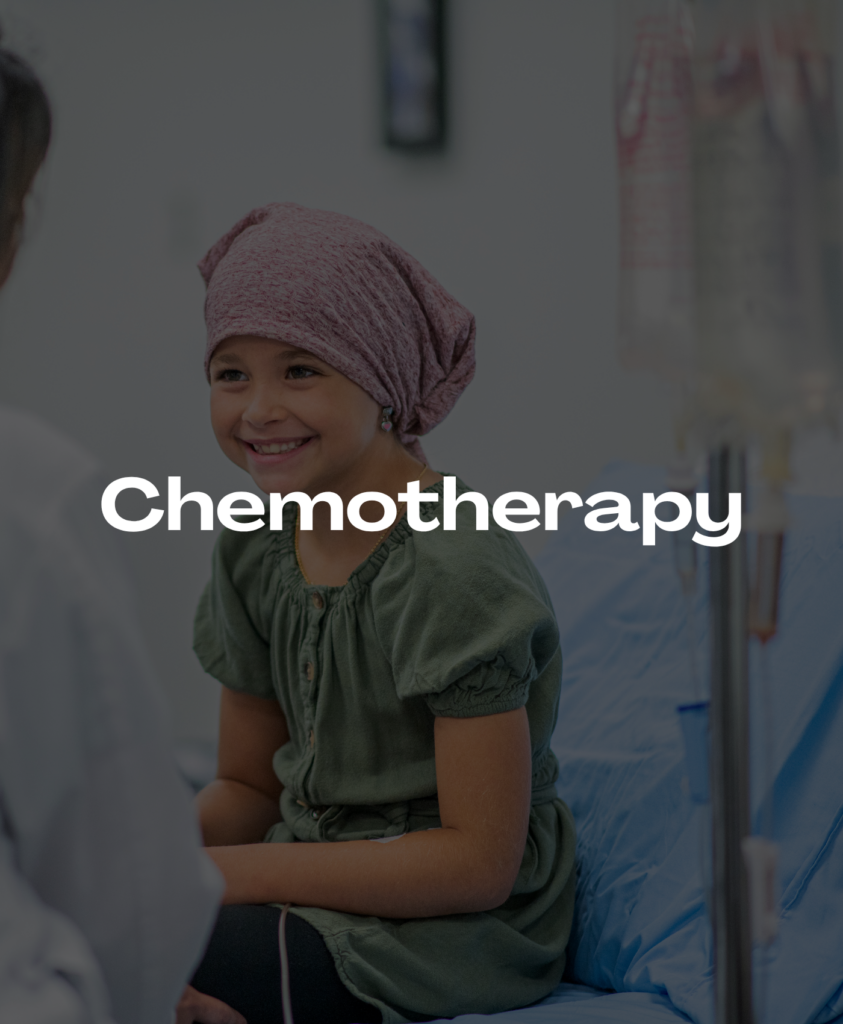
Chemotherapy uses medicines to destroy cancer cells or stop them growing. It is one of the most common treatments for childhood cancer.

How it’s given

  • through a central line or port
  • as tablets or liquid
  • occasionally into the spinal fluid (to protect the brain and spine)


Why children cope differently to adults

Children’s bodies often respond very well to chemotherapy, and many bounce back between treatment cycles.


Side effects

Side effects vary but can include tiredness, sickness, hair loss or low blood counts. Teams work hard to manage these and keep children as comfortable as possible.

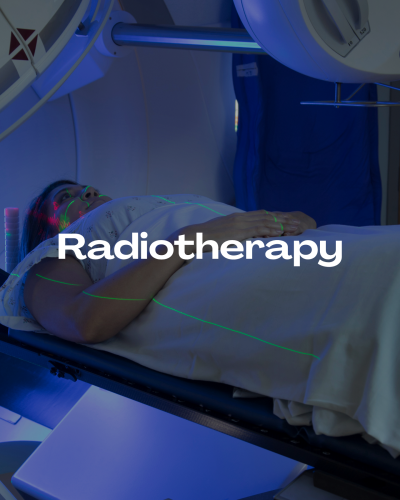
Radiotherapy

Radiotherapy uses carefully targeted beams of energy to destroy cancer cells.

When it’s used

  • after surgery to treat remaining cancer cells
  • for certain brain tumours, lymphomas and Ewing sarcoma
  • when surgery isn’t possible or isn’t safe


Precision and safety

Modern radiotherapy is highly precise. Treatment teams plan it carefully to protect healthy tissue, especially in young children.

  • Types of Cancer Treatments - Website Images (4)
  • Types of Cancer Treatments - Website Images (3)

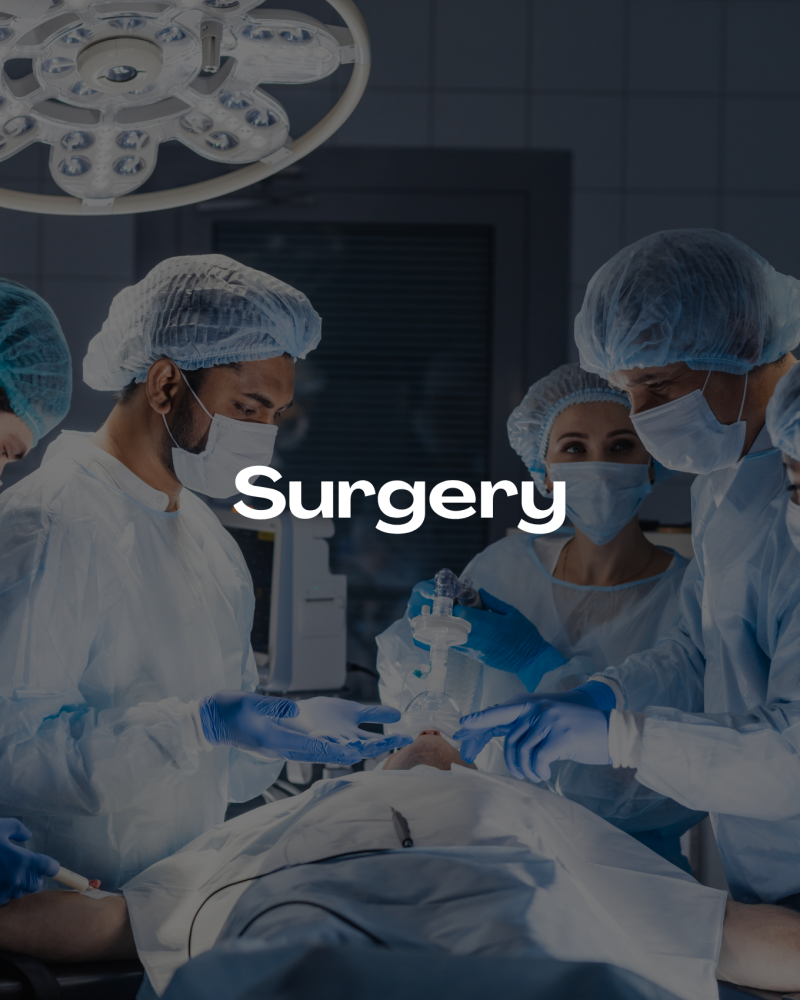
Surgery

Surgery can be used to remove a tumour or as part of diagnosis.

When surgery is used

  • to remove solid tumours such as Wilms tumour, bone tumours or soft-tissue sarcomas
  • as part of treatment for germ cell tumours or liver tumours
  • occasionally to relieve pressure or symptoms


What to expect

Surgeons aim to remove as much of the tumour as safely as possible while protecting important organs and tissues. Many children recover quickly after surgery with appropriate pain support.

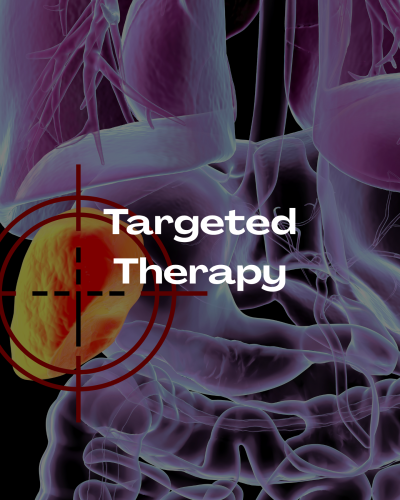
Targeted Therapy

These medicines work by focusing on specific proteins or genetic features of cancer cells.

Benefits

  • can be more precise than chemotherapy
  • may cause fewer side effects
  • used in cancers such as some leukaemias, lymphomas and rare tumours


When it’s offered

Targeted therapy is used when tests show that the cancer has certain features that these medicines can act on.

  • Types of Cancer Treatments - Website Images (7)
  • Types of Cancer Treatments - Website Images (8)

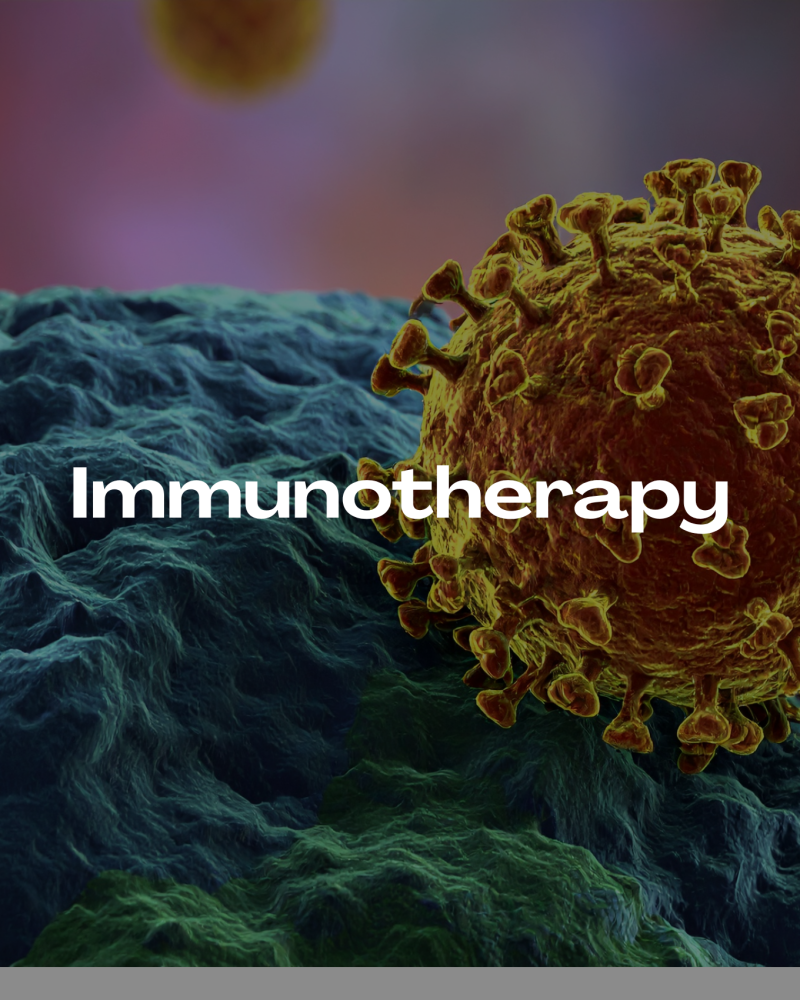
Immunotherapy

Immunotherapy helps the immune system recognise and attack cancer cells.

Examples

  • used in high-risk neuroblastoma
  • increasingly available in clinical trials for other cancers


How it helps

These treatments boost the body’s natural defences rather than attacking cancer cells directly.

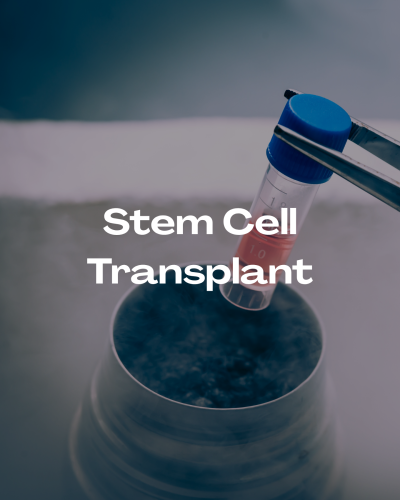
Stem Cell Transplant

Used for some children with high-risk or relapsed cancers.

What it involves

  • high-dose chemotherapy to remove remaining cancer cells
  • healthy stem cells are then given back to the child to help the bone marrow recover


When it’s used

  • certain leukaemias
  • some relapsed or high-risk tumours
  • when standard treatment isn’t enough on its own
  • Types of Cancer Treatments - Website Images (9)
  • Types of Cancer Treatments - Website Images (10)

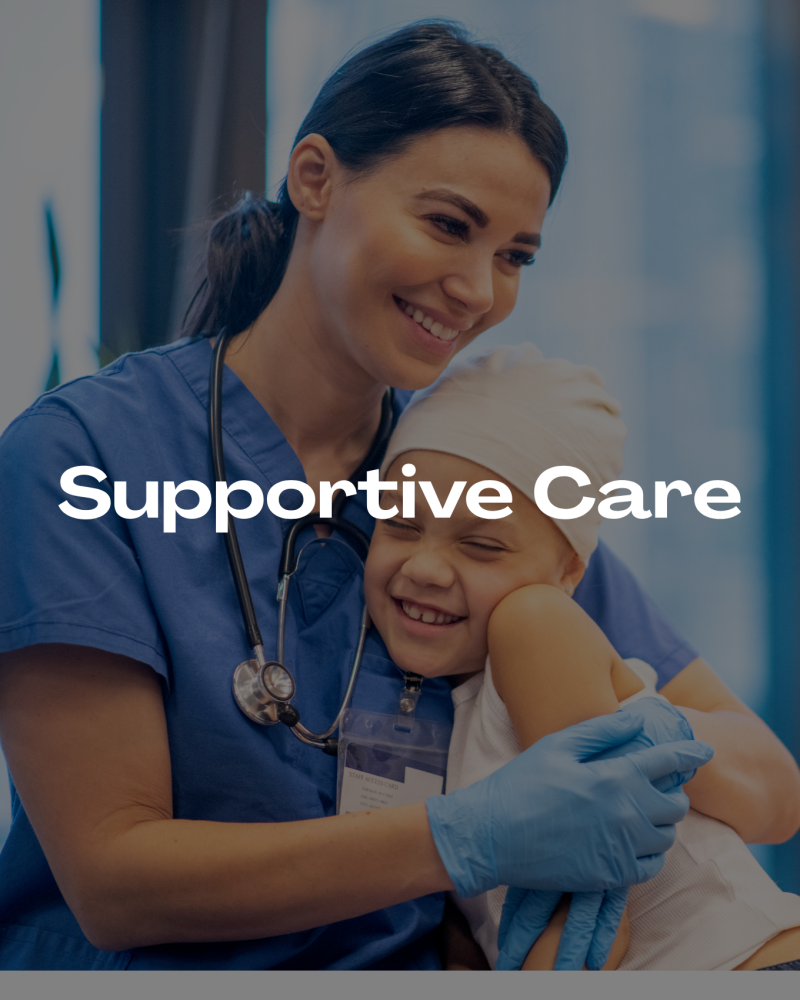
Supportive Care

Supportive care is a crucial part of treatment and helps children stay well throughout therapy.

This may include

  • anti-sickness medicines
  • antibiotics to treat or prevent infections
  • pain relief
  • blood transfusions
  • physiotherapy and occupational therapy
  • nutritional support
  • emotional and psychological support
  • help with school and daily activities


Supportive care ensures treatment is as safe and manageable as possible.

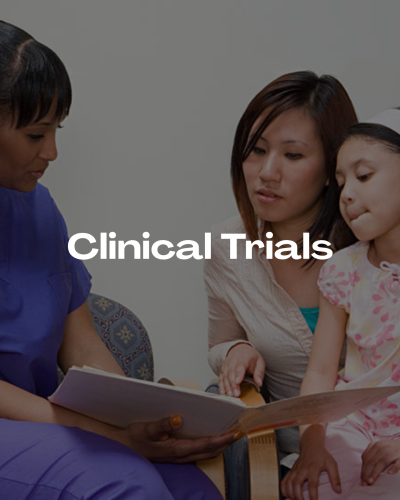
Clinical Trials

Some children may be offered the chance to take part in a clinical trial.

What this means

  • access to new or improved treatments
  • treatments tested carefully for safety
  • close monitoring throughout


Participation is always voluntary, and families are given clear information before making a decision.

  • Types of Cancer Treatments - Website Images (12)
  • Types of Cancer Treatments - Website Images (11)

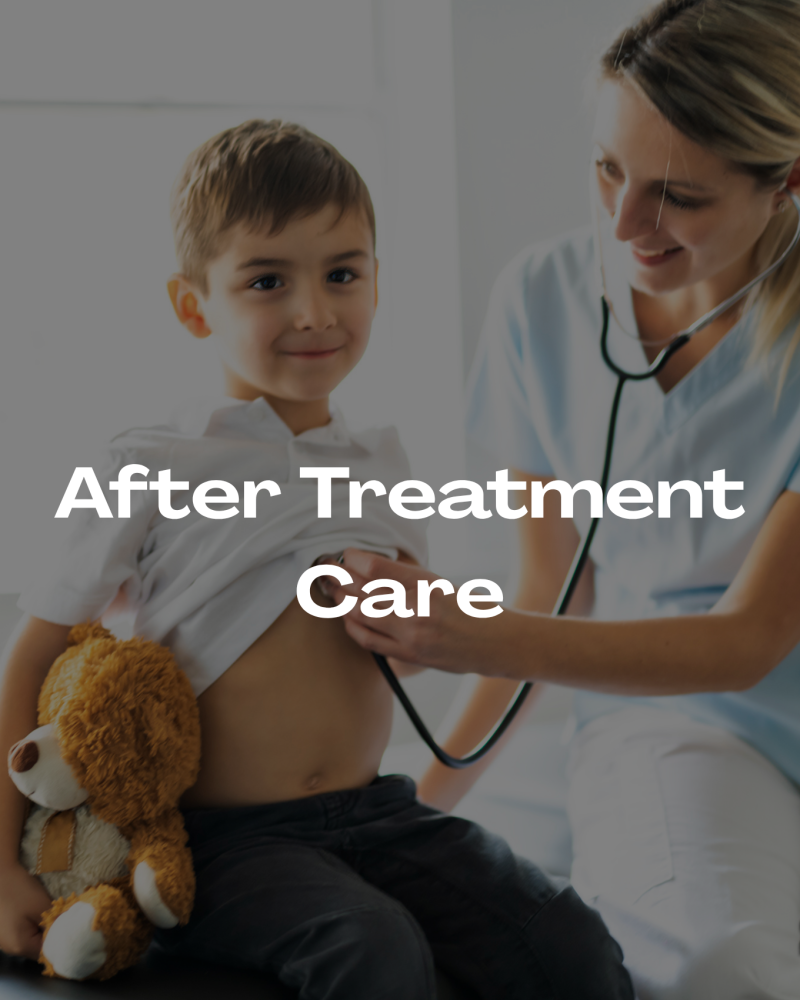
After Treatment

Once treatment finishes, children continue to be monitored through follow-up appointments.

Follow-up helps check

  • recovery and wellbeing
  • growth and development
  • learning and emotional needs
  • long-term effects of treatment
  • recurrence or new health concerns


Follow-up can continue for several years to ensure each child gets the support they need.

Important Notice

This page is intended to back up the information you get from the hospital, not to replace medical advice from a consultant.

Information last reviewed on 14th January 2026.
Based on information originally produced by Children’s Cancer and Leukaemia Group (CCLG), Accessed 2022.

Find out more about childhood cancer

  • 3-hands-childhood-cancer-ribbon

Get in touch

We understand that this can be a very overwhelming time for your family.

If you have any questionns, concerns or simply feel you would like somene to talk to – please do not hesitate to contact us – we will be happy to help.