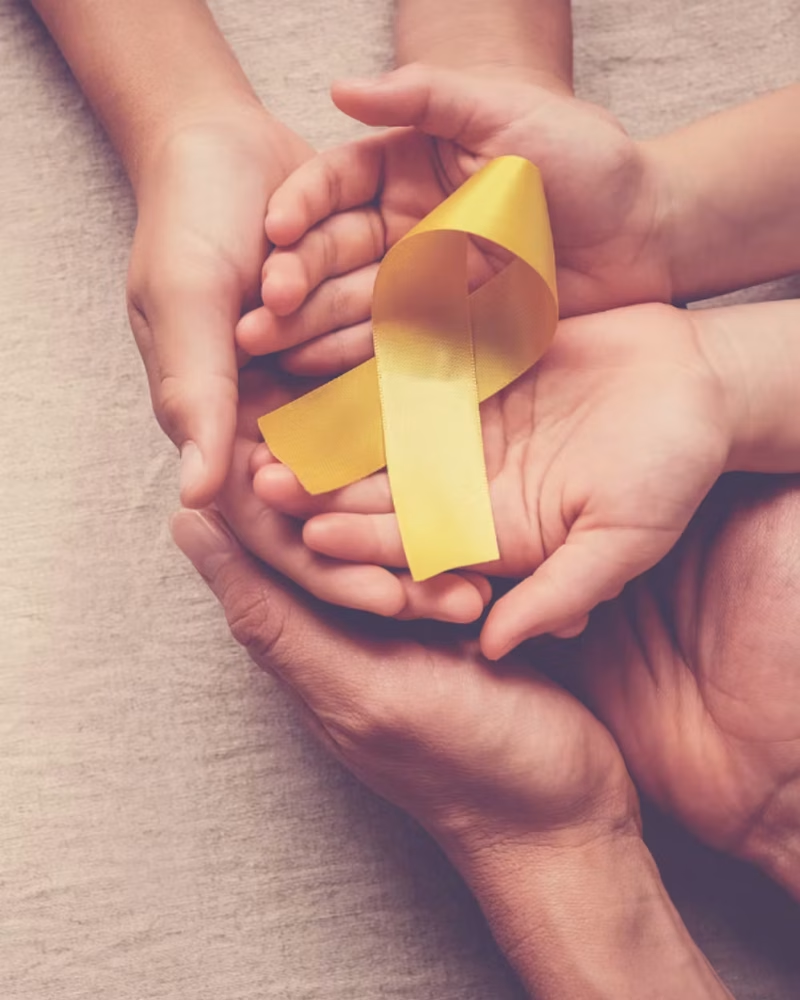
What is Hodgkin Lymphoma?
Hodgkin lymphoma is a cancer of the lymphatic system, which plays an important role in fighting infection. It develops when certain white blood cells (lymphocytes) become abnormal and begin to grow in an uncontrolled way, often causing lymph nodes to swell.
Hodgkin lymphoma is more common in older children and teenagers, and it is one of the most treatable childhood cancers, with excellent long-term outcomes.
Signs & Symptoms
Symptoms may include:
- painless swelling of lymph nodes, usually in the neck, armpit or groin
- tiredness or low energy
- unexplained fevers
- night sweats
- weight loss or reduced appetite
- persistent cough or breathing changes (if lymph nodes in the chest are enlarged)
These symptoms are also common in many infections and non-cancer conditions and do not necessarily mean cancer.
How is it Diagnosed?
If Hodgkin lymphoma is suspected, your child will be referred to a specialist centre. Tests may include:
- blood tests – to check overall health
- ultrasound or chest X-ray – to look at swollen lymph nodes
- MRI, CT or PET scans – to assess where the lymphoma is
- lymph node biopsy – the key test to confirm the diagnosis
These tests help the team understand the type and stage of the lymphoma so treatment can be planned.
Treatment
Treatment for Hodgkin lymphoma usually includes chemotherapy, and in some cases radiotherapy. The intensity and length of treatment depend on the stage of disease and how the lymphoma responds early on.
-
Chemotherapy
Given in cycles through a central line or cannula. Different combinations of medicines are used depending on the treatment group. -
Radiotherapy
May be used after chemotherapy if lymph nodes remain enlarged or if it is part of the treatment protocol. Modern radiotherapy is carefully targeted to protect healthy tissues. -
Targeted Therapy
For some children with specific features, medicines that work directly on lymphoma cells may be used.
Supportive Care
Your child may receive:
- anti-sickness medicines
- transfusions if blood counts fall
- antibiotics to prevent or treat infections
- emotional or psychological support
- educational support during treatment
Monitoring Response
Blood tests to monitor tumour markers, Scans such as PET or CT are used during and after treatment to check how well the lymphoma is responding. Blood tests and clinical assessments also help guide decisions.
Outlook & Support
Hodgkin lymphoma is one of the most curable childhood cancers. Many children and young people recover fully and return to normal activities after treatment.
During treatment your child will be cared for by a specialist children’s cancer team. Help is available with managing side effects, school, emotional wellbeing and practical concerns.
Lennox Children’s Cancer Fund will support your whole family from diagnosis, through treatment and beyond.

Key Facts
- Common Age: Older children and teenagers
- Survival: Around 90% long-term survival
- How common? One of the most common cancers in teenagers