
Emily's Story
At only three years old, a CT scan revealed that Emily had a tumour the size of an apricot on her brain…
Emily’s Story
Emily was a happy and energetic three-year-old when she started experiencing persistent vomiting, lethargy, and severe headaches. Over three months, her parents took her to the GP multiple times, only to be told it was a viral illness. But as her symptoms worsened and she struggled to walk properly, their concerns grew.
Desperate for answers, Emily’s parents took her to the emergency department at Bath RUH twice in the same week. Both times, they were reassured that nothing was seriously wrong—even after an overnight stay under observation by a neurologist. The next day, Emily became even more lethargic, unable to stop vomiting. Determined to get to the bottom of it, her parents returned to the hospital, this time demanding a CT scan.
Their world shattered in an instant. The scan revealed a brain tumour the size of an apricot, causing dangerous pressure inside Emily’s skull. She was blue-lighted to Bristol Children’s Hospital, and life changed forever.
Diagnosis and Surgery
Within days, Emily underwent surgery to relieve the hydrocephalus caused by the tumour. Three days later, she endured a gruelling 14-hour operation to remove it. During the surgery, she needed a full-body blood transfusion. Her parents spent those hours in agonising fear, waiting for news.
When Emily finally woke up, her first words were, “Mummy, Daddy, juice!” The relief was overwhelming.
But that was the last time they heard Emily’s normal voice.
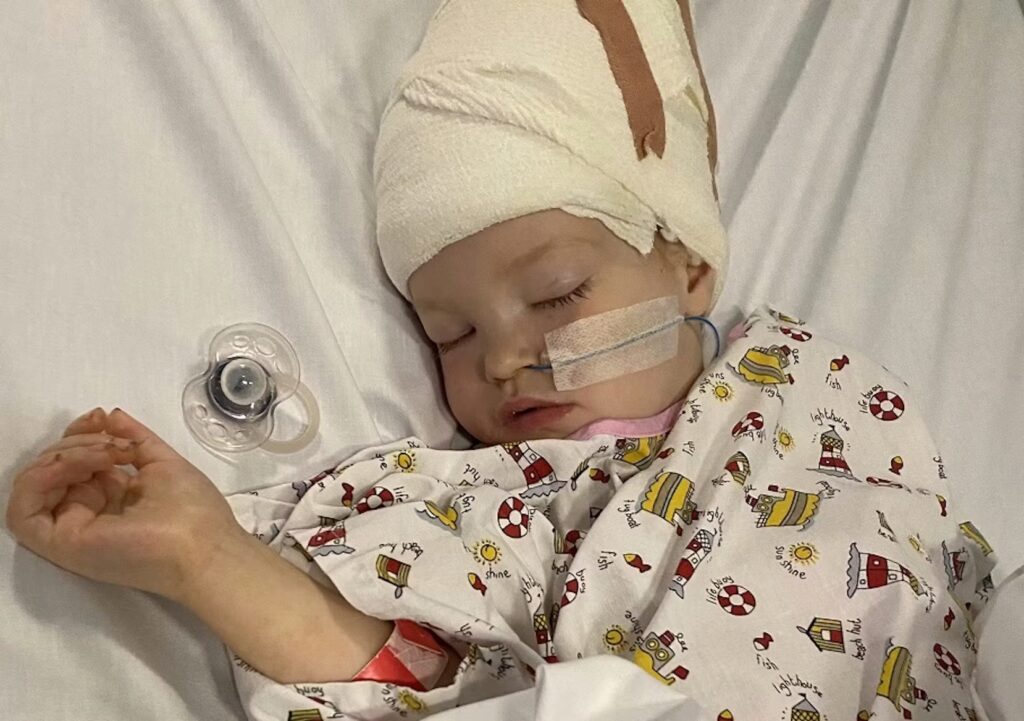
Following the surgery, Emily developed Posterior Fossa Syndrome, which left her in a coma-like state. She lost the ability to speak, swallow, and even breathe on her own. She was tube-fed, and her silent cries were heartbreaking for her family to witness.
A few days later, Emily was diagnosed with Juvenile Pilocytic Astrocytoma (JPA)—a slow-growing but poorly understood brain tumour. Her parents felt a mix of relief and dread.
As if the battle wasn’t hard enough, Emily then developed meningitis, becoming critically ill once again. She was rushed to the High Dependency Unit, where she fought for her life.
A Long Road to Recovery
Over time, Emily slowly began to improve. She regained the ability to eat soft foods and started speaking again—though her voice had changed, now robotic and unfamiliar. After five months of intensive hospital rehabilitation, she was finally able to come home.
But in October 2022, Emily’s family received another devastating blow—her MRI showed that the tumour had regrown. She needed another major surgery.
“How can we put her through this again?” her parents thought.
Emily underwent a second brain surgery. While the recovery wasn’t as severe as the first, it was still incredibly tough. As a result of both surgeries, Emily now has a permanent brain shunt to help drain excess fluid from her brain.
Emily’s Strength
Emily is still unable to walk, but she works incredibly hard through physiotherapy, oncology treatments, and speech and language therapy. She has a one-on-one support assistant at school, helping her navigate daily life.
Despite everything she has been through, Emily remains full of determination and bravery.
Her brothers, Max and Joseph, have also been incredibly strong. They were devastated when COVID restrictions meant they couldn’t see Emily for five months while she was in hospital. This journey has affected every member of their family, but together, they are facing it head-on.
How Lennox Children’s Cancer Fund Supports Families
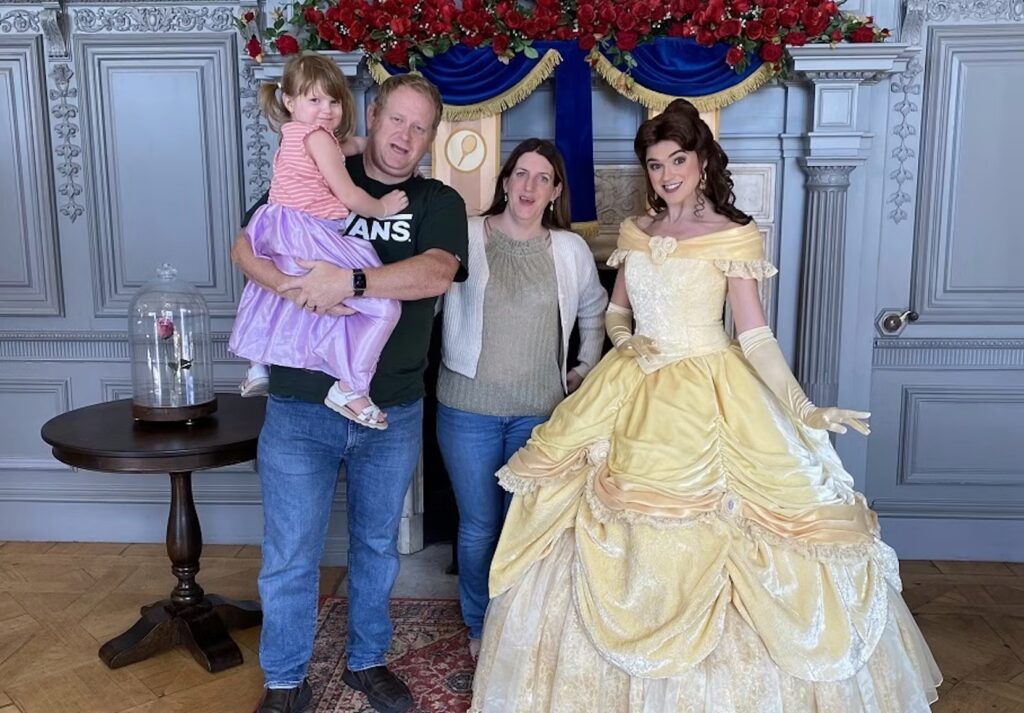
Throughout Emily’s journey, Lennox Children’s Cancer Fund has been there to support her family in many ways. From emotional support to practical help, Lennox has made an overwhelming situation a little easier to bear.
“Lennox has been incredible,” says Emily’s mum. “They’ve helped us in ways we didn’t even know we needed.”
Lennox Children’s Cancer Fund provides:
- Emotional support – Counselling and guidance to help families cope.
- Practical assistance – Helping parents navigate treatment schedules and hospital stays.
- Financial aid – Grants to ease the costs of travel, accommodation, and treatment-related expenses.
- Free respite breaks – Giving families a much-needed chance to create special memories together.
How You Can Help
Emily’s story is just one of many. Lennox Children’s Cancer Fund relies on donations and fundraising to continue supporting families through childhood cancer.
With your help, we can ensure that no family faces this journey alone.